Commercial truck marketing strategy
Is There an Ethical Way to Use AI? Why I Use It Anyway
Is AI ethical? Fractional CMO Scott Duvall explains why he uses AI anyway, and how marketers can keep creative work and decisions in their own hands.
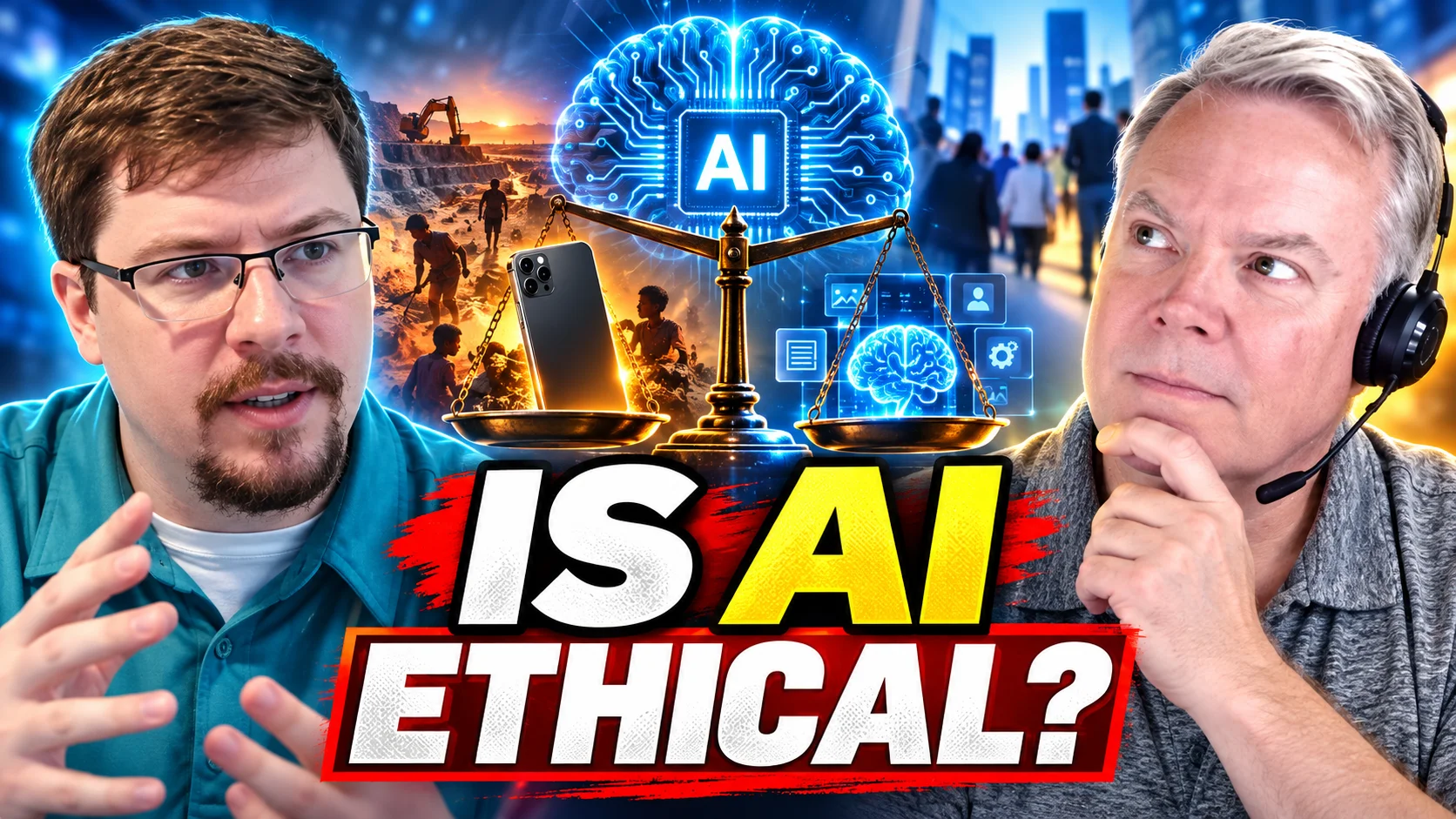
Yes, I believe there is an ethical way to use AI, and it starts with keeping the creative work and the decisions with the marketer. Like the cell phone in your pocket, AI raises real ethical questions, but avoiding it completely isn't realistic or necessary. I use AI to brainstorm, proofread and get past writer's block, while the ideas and final calls stay mine.
Key takeaways
- Most AI models today were trained on people's work without their permission.
- Smartphones carry similar ethical baggage, and most of us still use them.
- Opting out completely can hurt your career and your income.
- You can use AI and still demand that AI companies do better.
- Use AI for brainstorming, beating writer's block, and proofreading, and keep the creative work and the decisions with you.
Honestly, no. The AI we have today isn't built ethically. But it is where the world is, and I use it the same way I use a smartphone: with my eyes open, pushing companies to do better, and keeping the creative work and the decisions for myself.
Why do people say there's no ethical use of AI?
I've read some interesting reporting lately about people who were involved at the foundations of AI companies who have quit and said AI is the end of the world, and that we need to stop dumping all our resources into it.
I also saw a report on how much the United States is investing in AI. Over the next ten years, that investment could reach the trillions of dollars. For AI to pay off, it needs to play a bigger role in the American economy than food.
So it's fair to say there is no ethical use of AI. That's a defensible argument. The AI we have today was trained on people's work without their permission. Companies made a bet that the value they could create would be greater than what it would cost to be sued by the people whose work they used. That's why so many of those lawsuits are underway now.
Isn't AI just like the smartphone in your pocket?
There are other parts of our society where we've moved on, accepting or ignoring that something was unethical, and driven forward anyway until we reached a new baseline reality. Then it's just the world we have to live in.
Cell phones are the example I'd point to. You can make the same arguments about how unethical they are: the mining for rare earth metals, children mining cobalt, all the horrible things happening in the background of production.
All of us use smartphones, and people spend a lot of their day staring at those screens. They're not bad people for doing so. You're not a bad person for having participated in society, right? We're global consumers in a global economy.
Should you opt out, or use your voice?
You can approach it two ways. You can say, "I don't want to participate in this system, so I won't." Or you can say, "I'm participating because this is the new baseline reality, and I'm going to use my voice to spread awareness and reduce the harm long term."
We'd rather have a cell phone built without child labor, even if it meant paying twenty, forty or a hundred percent more, right? We should apply that same approach to AI. If companies build their models from public domain information, or with artists' and creators' permission and a cut of the revenue, those are the ones to support. To my knowledge, those AI engines don't exist yet. But we've seen consumer demand change business practices before.
What happens if a marketer refuses to use AI?
It's not currently ethical, but it is where the world is. If you take your hands off it completely, you're hampering yourself, just like you would by not having a cell phone today.
You have a responsibility to your family and yourself to have an income. In marketing, being effective and meeting your obligation to your employer means using the tools they're asking you to use. You could say, "I don't believe in AI," and the company might say, "We believe in marketers who do." Then you have to decide if that's a hill you're willing to die on.
How do I use AI without handing over my judgment?
I use AI as a helper, not a replacement. For example:
- Brainstorming: getting a list of ideas on the table fast, so I can pick and shape the good ones.
- Writer's block: getting past a blank page quickly.
- Proofreading: a second check on my work before it goes out.
The creative work and the decisions stay with me. In my next post, I'll show what that looks like in commercial truck sales and service.
Frequently asked questions
Is it ethical to use AI for marketing?
Not entirely, as AI exists today, because most models were trained on people's work without permission. You can still use it responsibly by keeping your own judgment in charge, being aware of the problems, and supporting companies that do better.
Are there ethical AI tools?
To my knowledge, there aren't yet any major AI engines built only on public domain or fully licensed work with creators paid. As awareness grows, consumer demand can push companies in that direction.
Can I refuse to use AI at work?
You can, but it may cost you. Many employers now expect marketers to use AI tools. Refusing is a personal choice, so weigh it against your responsibility to your income and your family.
What should marketers use AI for?
Use it for brainstorming, getting past writer's block, and proofreading before your work goes out. Leave the creative direction and final decisions with a person.
How can consumers push AI companies to do better?
Learn where the training data comes from, support companies that use licensed or public domain work, and tell the companies you buy from that you expect better. This is the same approach people use with smartphone makers.
Talk with Scott about marketing for your business.
Explore Scott’s marketing services